Finding the Best Roofer: Essential Tips for Your Roofing Job
Finding the best roofer for a project requires careful consideration and thorough evaluation. Property owners need to start by recognizing specific roofing problems and noting their discoveries. Afterward, they should carry out in-depth research on possible contractors. This process involves verifying credentials and gathering insights from previous clients. Knowing how to evaluate estimates is just as essential. While working through these stages, homeowners might face obstacles that could influence their choices. What key factors should they monitor as they move forward?
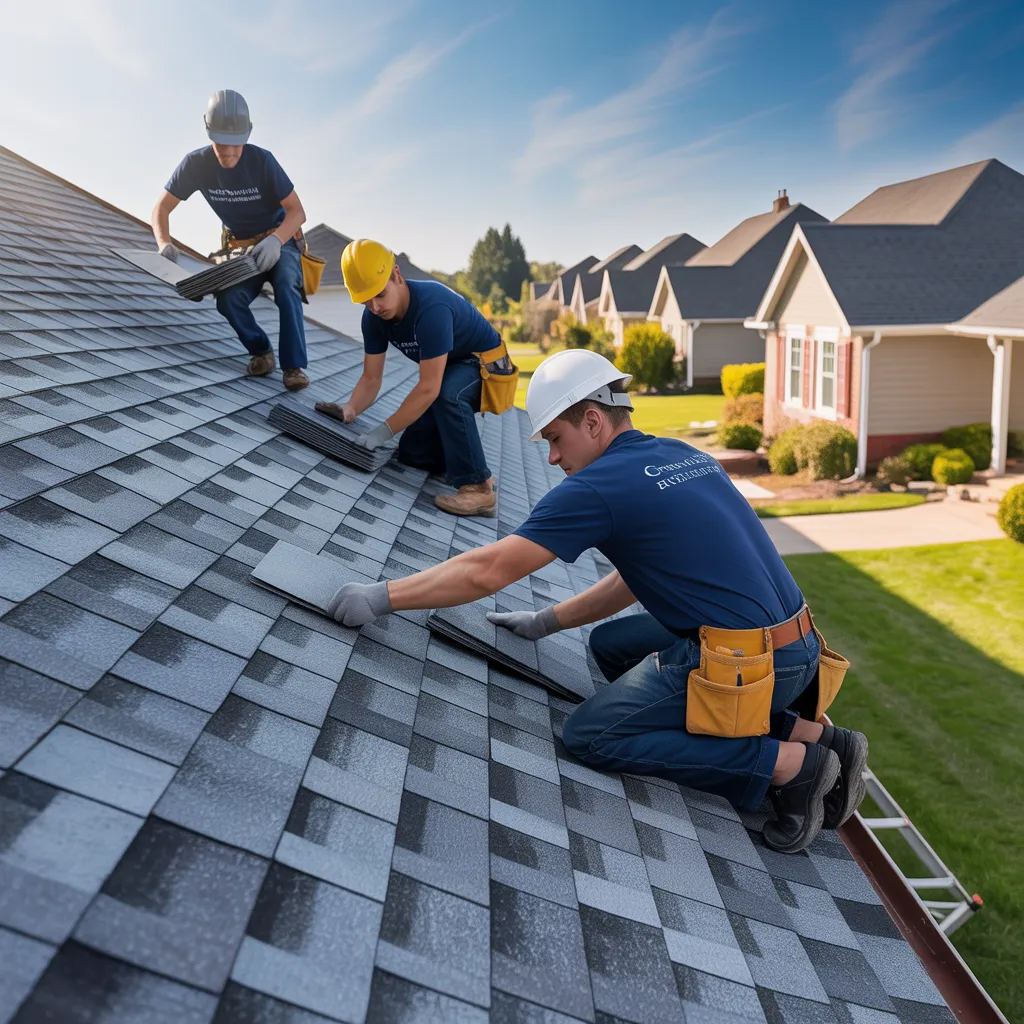
Recognize Your Roof Problems Before Engaging a Roofer
How can homeowners effectively address their roofing issues before hiring a roofer? First, they should conduct a thorough inspection of the roof, looking for visible signs of damage such as missing shingles, leaks, or discoloration. Capturing images of these concerns can help communicate the extent of damage more effectively when consulting with professionals. Homeowners should also consider the age of their roof, as this can influence the extent of necessary repairs or the need for replacement. Inspecting the inside of the home for water stains or mold growth is also critical, as these signs can point to underlying roofing issues. Collecting data on local climate trends can additionally support homeowners in assessing the risks their roof may face. Through pinpointing particular problems, homeowners are better equipped to discuss their needs with prospective roofers, guaranteeing more precise evaluations and suggestions. Such a forward-thinking strategy enables homeowners to make well-informed choices, paving the way for a smooth and successful roofing endeavor.
How to Thoroughly Research Roofers
When researching roofers, it is important to check their licenses and insurance policies to ensure adherence to local requirements. In addition, evaluating their experience and expertise can help gauge their overall competence. Reviewing multiple estimates and offerings will help in making an informed decision that aligns with specific roofing complete info needs.
Review Licensing And Insurance
When hiring a roofer, it is important to confirm their licensing and insurance to secure both credibility and protection. A legitimate license indicates that the contractor has met the necessary state regulations and standards for roofing work. Homeowners are advised to check with the appropriate local authorities or licensing boards to validate the roofer's credentials. Moreover, insurance is vital; it safeguards both the homeowner and the contractor in case of damages or accidents during the project. Ask for proof of insurance, including both liability and worker's compensation coverage. This step assures that any possible issues are addressed without financial burden on the homeowner. Proper licensing and insurance not only reflect professionalism but also provide peace of mind throughout the roofing project.
Examine Experience And Expertise
Verifying a roofer's insurance and licensing establishes a strong basis for a successful project, but their experience and expertise are just as critical to consider. Property owners should evaluate how long the roofer has been in business, as experienced firms typically have a well-documented history of success. Moreover, looking into the roofing services they are known for can highlight their expertise with specific materials or methods. Reading customer reviews and asking for references can give homeowners a clearer picture of their performance and trustworthiness. It is equally worthwhile to ask about any credentials or professional development the roofer has undertaken, which can further enhance their skill set. Thorough research in these areas helps homeowners make informed decisions about their roofing needs.
Review Quotes And Services
How do homeowners make certain they are getting the best return on their roofing investment? By reviewing bids and services provided by various roofing specialists. This method entails securing thorough estimates that detail workmanship, supplies, and completion timelines. Homeowners must avoid fixating solely on the lowest cost and instead evaluate the standard of materials and guarantees included. It is essential to inquire about what each estimate covers, since inconsistencies can result in unforeseen expenses down the road. Moreover, examining customer feedback and confirming references can shed light on a contractor's trustworthiness and craftsmanship. Ultimately, thorough research and careful comparison empower homeowners to make informed decisions, ensuring their roofing project meets both budgetary and quality expectations.
Check Credentials and Read Reviews for Quality Assurance
When choosing a roofing contractor, confirming qualifications is crucial for ensuring quality work. This involves confirming appropriate licensing and coverage, which protects both the homeowner and the contractor. Additionally, examining the company's reputation through reviews can provide valuable insights into their dependability and craftsmanship.
Validate License and Insurance
Ensuring that a roofer carries valid licenses and insurance is essential for any homeowner looking for quality service. A credentialed roofer demonstrates compliance with local regulations and industry standards, providing assurance of their expertise. Homeowners should request copies of the roofer's license to confirm its authenticity and guarantee it is current. Additionally, insurance coverage is necessary; it safeguards both the homeowner and the workers in case of accidents or damages during the project. Before hiring, homeowners should verify that the roofer has adequate liability insurance and workers' compensation. This step not only minimizes financial risks but also reflects the roofer's commitment to professionalism. Implementing these precautions aids in identifying a reliable contractor for roofing needs.
Examine Company Reputation
Following the confirmation of a roofer's license and insurance, the next step involves researching the company's reputation. Potential customers are encouraged to examine feedback on platforms like Google and Yelp to evaluate service quality. Good ratings generally reflect trustworthiness and superior work quality. It is also helpful to gather suggestions from friends, family, or neighbors who have recently completed roofing projects. Furthermore, interested homeowners should consult the Better Business Bureau (BBB) to discover any reported problems or unresolved matters. A reliable contractor will maintain a consistent record of handling customer concerns. Connecting with former clients, if possible, can reveal important details about the company's methods and standards. This thorough research guarantees well-grounded choices and improves the probability of a satisfactory roofing outcome.
How to Compare Roofing Quotes
Reviewing roofing quotes requires a careful examination of a number of critical factors to secure a solid investment. Homeowners should begin by comparing evaluate the overall costs, including both materials and workmanship, guaranteeing transparency in pricing. It is essential to examine the scope of work outlined in each quote; a comprehensive breakdown allows homeowners to detect any undisclosed costs.
Subsequently, evaluate the suggested materials. Quality should not be compromised for a lower price, as sturdy materials can reduce expenses down the line. Furthermore, review the warranty provided; a comprehensive warranty signals assurance in both craftsmanship and materials.
Finally, evaluate the projected timeline for project finalization. Quotes should specify estimated start and end dates, which facilitates better planning. By carefully reviewing these aspects, residents can make knowledgeable determinations that align with their budget and project expectations, securing a smooth and successful roofing endeavor.
Questions to Ask Your Roofer at the First Meeting
What key questions should homeowners ask during their first consultation with a roofer? First, they should inquire about the roofer's licensing and insurance to guarantee compliance with local regulations and protection against potential liabilities. Homeowners should further question the roofer about their experience, specifically with related projects, to evaluate their proficiency. Inquiries about the materials to be utilized and the warranty provided can offer valuable information about the quality of the workmanship. Furthermore, homeowners should review the estimated timeline for the work, ensuring it meets their scheduling needs. It's important to inquire about the payment plan and any available financing arrangements. In conclusion, homeowners should ask for references from former clients to determine the roofer's track record and craftsmanship. By exploring these key points, homeowners can make educated decisions, laying the groundwork for a successful roofing endeavor.
Warning Signs to Look for in Unqualified Roofers
Spotting unqualified roofing contractors is vital for homeowners to steer clear of costly blunders. Several red flags can signal a lack of professionalism or expertise. First, be wary of roofers who provide estimates without a thorough inspection. This frequently suggests an absence of thoroughness or expertise. Furthermore, a lack of appropriate licensing and insurance should trigger instant alarm, as it leaves homeowners vulnerable to financial responsibility.
Another warning sign is the use of pushy selling strategies. Trustworthy professionals should permit customers to evaluate their options carefully rather than pressure them into quick decisions. Furthermore, a weak digital footprint, including negative reviews or limited social media activity, can indicate questionable trustworthiness. Finally, if a roofing professional cannot provide a detailed written contract, it may indicate unprofessionalism. Residents should pay close attention to these indicators to make certain they hire a competent and dependable roofing contractor for their roofing project.
Common Questions and Answers
How Much Time Does a Roofing Project Usually Take to Finish?
Commonly, a roof installation can span a few days to 2 weeks to be completed, influenced by considerations such as the roof's overall size, complexity, weather-related factors, and the crew's skill level and efficiency.
Which Building Materials Are Most Suitable for My Local Climate?
In areas prone to heavy snow accumulation, metal roofing stands out as the optimal solution, while asphalt shingles suit moderate weather. In warmer climates, clay tiles or heat-reflective materials play a key role in reducing heat buildup, providing both structural longevity and improved energy efficiency in a wide range of environments.
How Can I Maintain My Roof After Installation?
Routine inspections, removing debris, upkeeping gutters, and identifying leaks are critical for roof upkeep after installation. Addressing minor issues promptly can prevent significant damage, extending the roof's lifespan and ensuring peak performance throughout its use.
Do Roofing Services Come with Warranties?
Indeed, multiple warranty options exist for roofing services, typically covering materials and workmanship. Property owners are encouraged to ask about the particular details, including coverage duration and protection details, to guarantee adequate protection for their investment in roofing.
What Types of Insurance Should Roofers Have for Protection?
Roofing professionals are required to carry general liability insurance to cover damage to property, workers' compensation for injuries sustained by employees, and possibly commercial auto insurance for vehicles utilized in their roofing operations. These coverages safeguard both the roofing contractor and the client from unforeseen issues.